
DAN SWANÖ – interview
- Posted on 11-05-2025
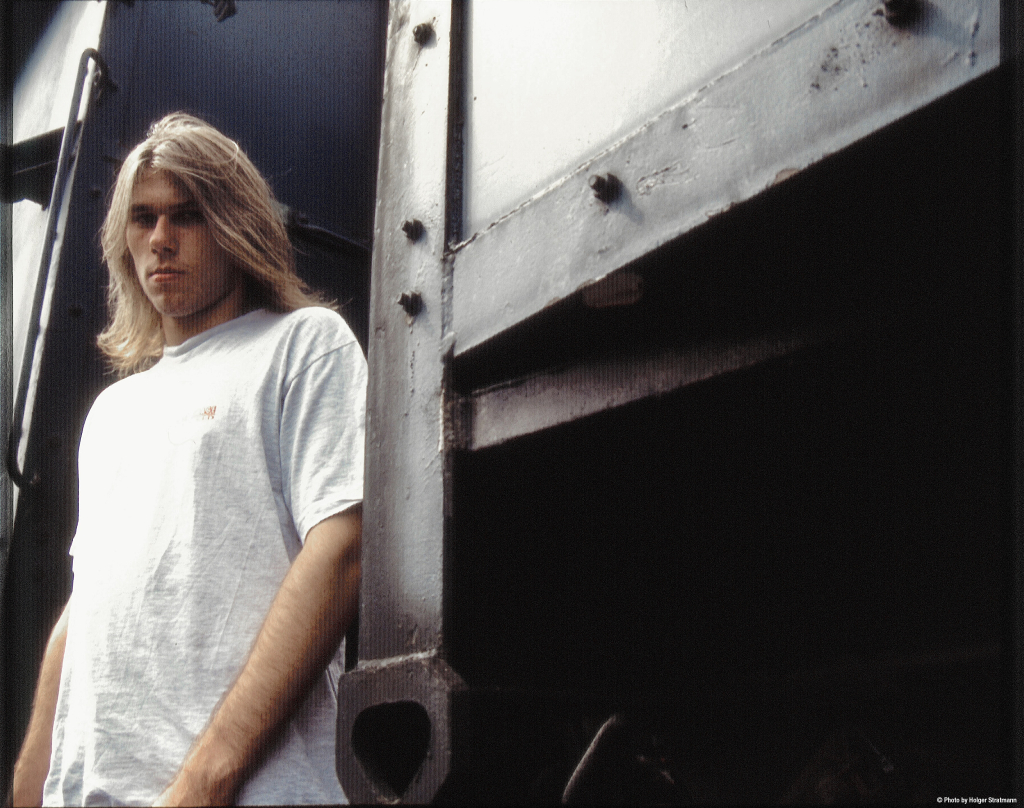
Photo of Dan Swanö by Holger Stratman
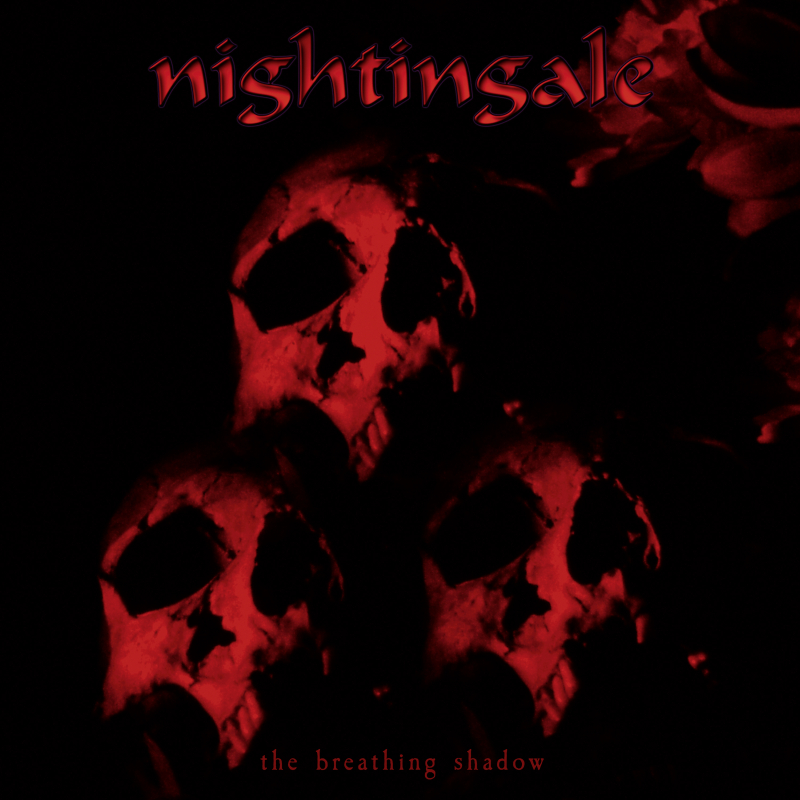
Not too long ago, our inbox got populated by various mails announcing the re-releases of the Third chapter from the series of reissues of Edge of Sanity and Nightingale materials: “Century Media Records and InsideOutMusic are pleased to announce the first half of the “Third Chapter” of the comprehensive catalogue re-issue campaign for legendary and groundbreaking Death Metallers EDGE OF SANITY as well as versatile Prog/Hardrock outfit NIGHTINGALE, who were both fronted by Swedish vocalist, multi-instrumentalist and acclaimed metal producer Dan Swanö (Opeth, Katatonia, Dissection, etc.).” Both “Crimson” – Edge of Sanity – and “The Breathing Shadow” – Nightingale – are due for reissue June 6th and they seem filled with goodies.
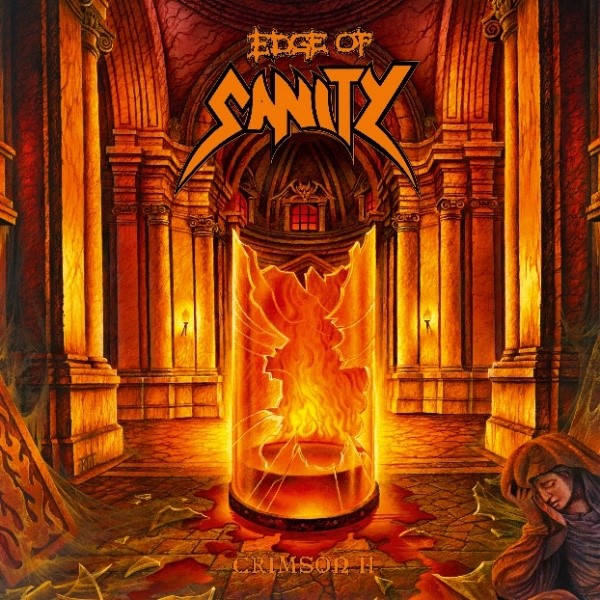
For exact track-listing of the entire “Second Chapter” (as well as the “First Chapter”) re-issues, please visit: https://www.danswano.com/track-listing/
You can order all current re-issue titles here: https://edgeofsanity-nightingale.lnk.to/ReIssues
One of those mails also announced the chance for a chat with mastermind Dan Swanö, who has been a favorite of ours – at leas the editor in charge these days, Andrea – and so we took the chance and had a lovely talk with Dan on virtual channels. The call took place four days ago and we got such cool stories from the remaking and remixing the albums, the amount of work involved in re-doing your own old releases, plus some good bits about Dan’s recording with Therion, collaboration with visual artist Costin Chioreanu of Twilight13 Media or some other bit about the way Dan Swanö works. We hope you enjoy the lecture or you can listen to the audio below.
For those who might want an extra bonus material, I found an interview with Nightingale that I conducted in 2011 at a festival in Finland. Not with Dan, but with the other members and there’s some more insights there in the history of Nightingale.
For those who prefer the audio of the interview, you can listen to it here, but there is no video https://peertube.anduin.net/w/oy2QLszpcJ1FYnCG6hz6Kf
ET: So we are at “stage two” (later edit, it’s actually stage three) of Nightingale and Edge of Sanity – remastering and re releasing all these albums. How did this madness started?
Dan Swanö: I guess everything started when Boss died. He was the the guy from our old record company, Black Mark, and I was already looking into re-releasing this stuff. We were talking about doing “Nothing but Death Remains”. I actually prepared a double album with the old stuff, you know like unreleased stuff, rare stuff and so, but the only stuff we ended up doing was “Moontower” vinyl and the “Nightfall overture” vinyl and that kind of got things going again.
I’m honestly the kind of of artist who always thinks that you don’t really finish a product, you just have to kind of abandon it. You have to let it go, you know? And you always think what you should have done different with this and that. I remember that I asked Boss if we could remix the first record like two weeks after we mixed it back in ’91 and he just laughed and said yeah, if you sell 20,000 copies, we can talk about it. And so it never happened.
But that was the mindset. I was always waiting for the right time, yet I knew that it would be kind of pointless to do it unless you had a label and also a person behind it that that that would be doing some sort of quality control and would be even pickier than me.
So we have this guy called Leif Jensen. I think he was to one of our shows that we did in a tour in ’92. And since then we developed friendship and I I’ve worked with him with other projects like Witherscape. He was in a band called Dew-scented, for whom I mixed a couple of records. All in all, it all felt like once Century Media got involved that this could be the right time to do everything because there was a budget for it and it became something that I could do it during my normal work and not some extra stuff that I have to do in the evenings or in the mornings, given the hustle of our society. This stuff actually takes more of my time than a normal thing. Because I’m also involved with all the layouts and anything else, from fixing the lyrics – some of them have been horribly wrong for the last 30 years.
ET: Really?
Dan Swanö: Yeah. It’s a mess. There’s lines missing. There are lines there that you don’t sing. There are grammatical errors, which you might know about.
What I have to think of though, is that now for me, as a 50+ year old guy, this is the end of this. What I make now is for the future. So whatever is available now this is what will remain.
All the streaming stuff comes with lyrics nowadays and you just have to make sure that you take everything you created from the end of the 90s up until the final stuff- including Nightingale – and say this is my heritage from the first 50 years or whatever. It’s just been a massive workload, but also a lot of fun. So overall it’s something I always wanted to do and I wanted to do it in this way
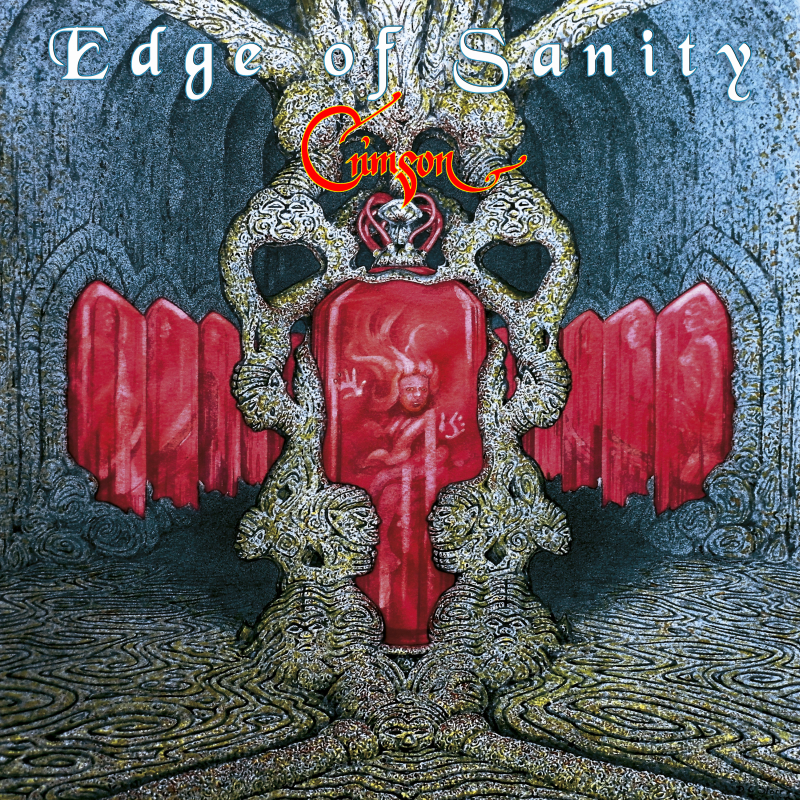
We just received the the copies of “Crimson” and “The Breathing Shadow” yesterday and I just looked through it and said, yeah, this is this is how they should have looked and sounded when they came out. But they didn’t. But you know, I’m lucky that I had kind of a time machine so that I could go back and take care of it.
ET: Are you also redoing the Unicorn?
Dan Swanö: No. Only stuff that was released by Black Mark and I wish I could do Unicorn stuff again.
I have transferred all the tapes and everything. If I would be given the the kind of budget that I have now with redoing Edge of Sanity, I could do it. But sadly, that’s not gonna happen unless some millionaire shows up with extra money.
The stuff is really good but but it would take even more work to take it to the point where it’s actually better than the stuff that’s already out there. You know, I always have this idea that maybe sometime when when I retire and there’s money coming in…
ET: Everyone’s dream
Dan Swanö: This could be my whole thing. Other guys take up golfing or whatever, but I will just be remixing old, old stuff without a budget and just put it out there for anyone who wants to listen, because that’s more of a passion project for me. It’s technically possible, but I think financially it’s not doable.
ET: Let’s see how your pension looks like then. You just told me that you have transferred the Unicorn songs from tape. Tell me a bit this process, how did you keep all those masters? You also changed countries, right? You now live in Germany, if I’m not mistaken.
Dan Swanö: Yeah, it has changed. Oh my God.
ET: Storage places and yeah, how did that work out?
Dan Swanö: I have this archive thing that I knew already back then, or I was getting a vibe about the digital revolution. I saw what it could be. The Unicorn stuff was recorded analog, which means that it’s not degraded by some coding stuff that’s now being million times better.
I kept all the masters that have personal value to me. Sadly, some stuff has been lost along the way, but.
The Unicorn stuff survived. And all the Edge of Sanity stuff that I had any power in preserving. The master tapes for Infernal, for example, they were thrown away from the Abyss studio at some time and it was nothing I could do about it. I was stupid enough to not bring the masters with me, but that’s the kind of **** that happens. I think at this point maybe I have 30 or 40 reel to reel tapes lying around, of all kind of size and shapes. And it’s just a part of my my heritage.
I knew that at some point I would need them and we also brought up a lot of old tapes from the Black Mark headquarters. I went there personally to the archives and picked out anything that could be of any value, including master tapes for the first two albums. And also all the tapes, cassettes, all CDs, anything that had any kind of connection to me. I brought with me and then also sent the other guys from the band there a second time, to pick up the rest. Anything from old photographs to whatever they could find and they they came back with 10 times more stuff than I imagined. Black Mark kept everything, all the stuff they got and it was categorized. Even if the label actually seemed bit chaotic sometimes but the way they had kind of kept everything was really spot on. Just how you should do with the kind of a company that deals with art and artists. It was all there in boxes.
I think it was super cool when we started with the booklets, to dig out all this faxes and stuff that I sent to them 30 years ago and you could take pieces of this fax and put it in the booklet. You have all sketches that the graphic artist had done and all this kind of stuff and that’s how I like the reissues from other bands to be, to have that extra mile, that special vibe. Not just an even more boring layout than the original and just try to cash in. This is a total opposite of that.
ET: We can wait for a museum then. Speaking of art, I see some of the art – I’m not sure if all of it- but some of it has been drawn or redrawn by the Romanian artist Costin Chioreanu, right? How did you end up working with him?
Dan Swanö: I think the beginning was that we needed some kind of imagery for the very first single that came out. Leif from Century Media have been working with him a lot, many of his artists have used him.
So it was just like, OK. let’s have Costin do something because it’s more interesting with some kind of moving picture rather than just a static image or whatever. And it turns out that he’s a really big Edge Sanity fan, to the point where he actually named his company after one of our songs. That was a cool thing to hear and then I thought “Why he never got in touch?”. And then you realize there’s a lot of people out there that listen to our music throughout the years that just didn’t have that fanboy or fangirl thing. They just listened and enjoyed it and didn’t care to get in touch for various reasons.
So he was over the moon and and worked way more than he had to, for the budget we had.
And he kept on doing some singles artwork. I think he didn’t do anything with the old stuff, but he created brand new images that went with the “Darkday” and with “Jesus Christ”, and with “Twilight”, as far as I can remember. He’s a really cool artist with a very unique style. We’re lucky to get him onboard for this type of thing. I think it turned out super cool.
ET: When I was reading through the mail promo that we were getting on this release, I see that, for example, for Nightingale, the “Breathing Shadow” has a first CD where it says album remastered, but then on the second CD, everything is called the remix. Can you tell us a bit about the difference between a remaster and the remix?
Dan Swanö: In this specific case with the Breathing Shadow, the remix is going from anything from a completely drastical remix like they did in the in the old times, where they – I guess they still do it in these days – basically take the vocals and then they just create a brand new track for it to work with. We’re used to House remixes, Disco remix or so. When it came to the Nightingale stuff, I found this old transfer that I had done of one of the tapes and it was a lot of stuff missing and I thought I need some bonus content. So what can I do with with what’s there? What I had to work with was the vocals, the guitars and the drums so I thought, OK, well, rather than just digging in and trying to make it sound like a remix, which needed a ton of work I just said OK, let’s think about it and how it would be “in the now”. So I recorded real bass guitar, because the original had programmed bass. I decided to ditch all the keyboards where they were doing nothing to enhance the sound, they were just put on there for some reason, because I felt like it in 1995.
So it’s anything from more of a stripped down version of the original, which is kind of close to completely different – like one of those remixes are only piano vocals. Another one has something that could be more like a kind of a New Order/Depeche Mode vibe to it, and then another of the songs have more like, “oh, let’s make this sound like it was more on the “new “Moontower” record then it was on the “Breathing Shadow” record. I had so much fun just going bananas with all this raw material because it’s all like a reinterpretation of what I did.
But it was also a little bit of a time pressure thing. So I just went with my first vibe and just did it because I wanted it to be kind of a cool extra and sometimes have all these weird remixes in the vault that they did like 30 years ago. But in this case there is very few stuff that was made back in the day. I know that we did a techno version of “Sacrificed” from Edge of Sanity, for example, that was released at some point and there were some other weird stuff. But this is all new and it felt fresh.
There’s also some stuff on the “Closing Chronicles” that will be released in a couple of months, later than the “Breathing Shadow”. There’s also some completely new recordings, some partial re-recording. Some stuff is from ’96 and some stuff I recorded just this year.
I think it’s actually more bonus content for the Nightingale fans than for the Edge of Sanity fans, that’s really obscure and strange because I like this. I mean some of the live recordings sound like crap, but they were the only time we ever played that song live. And I have this thing that I want as many of the albums songs as possible to be on the record in a live version because I just felt that it would be a cool thing to document. This is how it sounded on the record. This is how we played it live.
That also took a ton of work and sometimes my hour was probably paid like two cents or whatever because I worked so hard on this stuff. The budget for the Nightingale stuff is, of course, way lower than for the Edge of Sanity stuff. But I just got a little bit obsessed with it. And ended up saying “*uck it, this is gonna be forever now. And whoever still buys these, they’re gonna have a treat because it’s not gonna be available anywhere else. It’s only on the CD #2. No streaming, nothing else”
ET: I’ll have to pay more attention when this comes out. By the way, I think you played in Oslo sometimes in 2008 there was this… festival, can’t remember the name now. There was a fire alarm. It was so weird. We got thrown out. It was because some band was practicing with Pyro effects. I think 1349 or Immortal.
Dan Swanö: I remember this. We were backstage, we were so remotely far. They were pretty good at soundproofing of the backstage so we just heard this distant strange sound. And then we stopped talking. “What? What is this? What’s beeping. What is going on here?” Then we went out of the backstage area in one of those stages that was, all of a sudden it was all black and this blinking red light. And we were all standing outside. But it was was AN event.
ET: I mean, we remember it, what, 20 years later…
Dan Swanö: Yeah, definitely. One of those things you will remember.
ET: Which part of this whole remix recomposing rearranging do you think was the most difficult or the most challenging for you?
Dan Swanö: They were all very challenging in their own rights because to take something from the level that they are on the album, sometimes you have to do a lot of this extremely boring detailed work like you would need to cut all – for example – the vocals. There was so much sound from the headphones that was going into the vocal microphone that was really complicated to give them a better sound unless you pretty much cut, not really every word, but when I stopped singing, I had to cut it and make a nice fade and then back up again. And there’s plenty of vocals on these things. So…there was a lot of those extremely boring things whren you wish that the AI was clever enough, but it’s not clever enough yet to know what is the headphone noise of music and what is that of vocals. So there was a whole ton of that boring stuff going on that needed to be done. And I had to go through the bass guitar pretty much note by note on the records because I just felt something is not right. There were parts where were I guess didn’t pay attention. I think we did the base pretty much in a couple of hours for the whole record. Now I hear that here the note is wrong, here and here we play on two strings, so we should play on one. And then you have to find another place where he played only one string in, copy and paste this on top of the other. Otherwise you would have to bury the base guitar again, you know.
I just wanted stuff to come to the front more. I wanted to hear everything that was going on and not just say “oh, the playing is strange here, let’s bury this” So the whole thing was like almost excavating stuff that was buried and and make sure that it could be heard. And that’s was pretty much for all the albums that I did up until now. And I now know for the albums that are destined for the future, that there’s also a ton of extremely boring editing work. That is, I guess, it’s like a restoration part of any similar jobs, you have to do it also in photography like remove a background around the hair of someone. And it looks only natural when you do it by hand. So you sit there for three hours removing something so you can place it on another background, and that’s the kind of stuff that you do when you have the passion for it.
That’s what I had to go through and none of the remixes were easy. They were all pretty much work.
Cool playlist with lots of nice history about a lot of the Nightingale/Edge of Sanity tracks:
ET: But do you think that you now have many years of producing experience, right? Do you think without the past few years when you kind of went away from playing live or making new albums yourself, without these years, would you have been able to have the patience to do that? Because now you know what you’re doing, right? You’re an expert.
Dan Swanö: Yeah, I had to make a decision. It’s almost 10 years ago now where when you just realize that that you cannot really aim to be someone who could do this full time and continue to get work and have the feeling that you get better and better. If you are constantly jumping between two different characters, because that’s what I felt I was doing. When I’m in the Musician mode, I tend to get a little bit too much into my own head and the songs are just endlessly in my head, different arrangement. And it makes me a really strange person. And I sometimes got the feeling that the clients who were waiting for the mix, they were kind of disturbing me in my artistic creation. It was almost like “stop writing me about the mix, you know, I’m writing a song here” and I was never really good at trying to separate this. I just felt that after doing that second Witherscape album, it was time to make a decision. Combined with the fact that to make a good living as a musician it means touring, which was not an option, I just kind of quit being a musician and it it worked a lot easier than I thought. I actually really worked myself almost into an early grave there for the time when I signed to Century Media. I did a lot of the Witherscape stuff, the Nightingale ones, plus all the other stuff at the same time. And it was just too much and I haven’t really felt the need to write any new material. I felt happy to be sitting one foot back in, going back and recording some new stuff for some of the old stuff, that’s enough for me. I think it was like 14 months between the times that I did some singing, so I just had to kind of learn how to sing again. In the first couple of hours it sounded pretty terrible but I just realized “Oh, I need vocals on this and I’m going to have to sing. Oh OK, so this is how you do it”
I would probably never have been able to give it this big a of a of a difference – some people may not even hear a super big difference between some of the remixes and the originals because it’s not supposed to be like the original is black and the new one is blue. It should be just the right color, the right shade, the way I was hoping that the album would sound the first time. This is how they sound now and in some cases the difference is bigger and in some it’s really only for the die hard fans to sit down and make a comparison.
I personally don’t like it when when albums that I love to listen to get remixed to the point where you think it’s almost a cover version because the sound is so different. It’s that you don’t get it that this is the album, I don’t need that kind of reinvented version. I just needed it to sound better, which sometimes that meant also don’t overdo stuff. Don’t go bonkers with all the the modern tools. Use them if there’s a modern tool that can help you with some really weird stuff that’s going on the old analog recordings, like sudden bursts of treble, stuff that was impossible to deal with with analog gear. I now have these extremely cool tools, but still kept that old school vibe of the whole mix, but just make it a little bit easier on the ears.
ET: Ok, 5 minutes left. I don’t know how you feel about the THERION days. Sometimes, every now and then, I play my favorite song from there – now I forget the name, how stupid that sounds (editor note: nerves at play here). Anyway, the Al Arab, Theli era. Do you ever listen to the Therion albums?
Dan Swanö: I was only a part of of one album and an EP that they did…
ET: In Remembrance, that’s the song I love. Sorry to interrupt
Dan Swanö: Yes, that’s on Theli. I am not the kind of person who goes like “oh, today I’m going to listen to all of Theli” when I’m in the garden. That that never happens. There was one time or so that I I went back to to listen to it for some reason, I don’t know why I did, but it was kind of kind of cool. I think that “In Remembrance” song turned out really good and there were some moments there for me…
It was funny because I went into the to the vocal booth to do all this really deep hymns, kind of like Sisters of Mercy vocals. That was the deal, that’s why Christofer paid me to be there. But then it turned out that I had all these other kind of voices that I could do. All these super high King Diamond stuff. At one point I just felt that I had gained a little bit of self esteem from being there at the place and everything, just so I started singing with a little bit more like a hard rock, heavy metal rock star vibe that I didn’t do. I used to be a little bit more careful, I had the “I am not really a singer” kind of voice. But all of a sudden, I felt more empowered and I went for my Bruce Dickinson or this kind of Jeff Tate thing.
Then I just felt like a proper lead singer in a metal band.
When I came out from the booth, after I had this this moment, after doing some of those kind of vocals and people told me “Wow, that sounded great, you know, blah, blah blah It sounded a little bit like when Michael Kisker recorded the vocals for the Halloween’s keeper one album here in that same booth. In that microphone” I was like “What??? he did…what?”
It’s kind of a secret because they were recording in this other studio, but he was still in school, you know? So they recorded his vocals here “with me”. And it was such a wow for me because that’s one of my favorite albums. And then I thought, yeah, that’s a bit of that Kiske vibe that I felt for somehow.
I don’t know it, it sounds super weird, but I channeled some of that kind of energy. I had just realized, that he sang the song Halloween here, right in the same place that I just sang that song. That’s ****** **, you know?
ET: That’s so cool. Thanks for the story. I love how the vocals ended up. It’s got both dark, but also like you say, rock’n’roll, heavy metal vibe.
Dan Swanö: I think from that moment on, I I was a little bit more confident as a lead vocalist in my own right and started to sing a little bit more like, I don’t know… In Sweden, you say you shouldn’t sound like you think you are somebody. You shouldn’t sing like a rock star. That was the kind of the Swedish thing, but I ended up saying ‘**** it, I’m going to sing like a rock star. I’m going to sing like I am the best singer in the world and everybody loves me”. But that kind of a little bit extra flamboyant vibe in a vocal gets a little bit lost when you record it on tape, you never sound as powerful as you think. So the more you kind of go for it, the better it sounds in the end. So it’s it’s something that I started doing a lot since then, just sing like lives depend on it, because that’s what the big guys do.
ET: I’m happy to hear that story. Then I guess that gave you a little energy for other stuff. One last question. I guess many people want you to produce their albums now. How do you say yes or no?
Is it you who decide, or is it the…somebody else. Label or so
Dan Swanö: I think I just have a pretty high tolerance for what I get sent. In the end, it’s only me and I make the decision if the recorded material is good enough. If it’s in time and in tune, and it sounds like it’s recorded properly, then I will give it a shot. But I always like to hear what I’m supposed to work on in the raw material, not just the demo or whatever, and so far so good. I have only rejected a handful of projects in the last decade
ET: must feel bad to reject somebody, right?
Dan Swanö: It’s terrible. And then you you tell them “Sorry, but I cannot work with this, although we don’t know why.” But at the end of the day, people don’t understand that it’s the way it was recorded will make me sound bad ’cause. I cannot fix this. It’s like you need the the good ingredients to cook something great, you know? And that’s what I go for.
ET: Thank you so much for this chance to catch up and the cool stories. Looking forward to hear all the new materials!